Loading
Sector-Specific CoursesNairobi, Naivasha, Mombasa +8 more
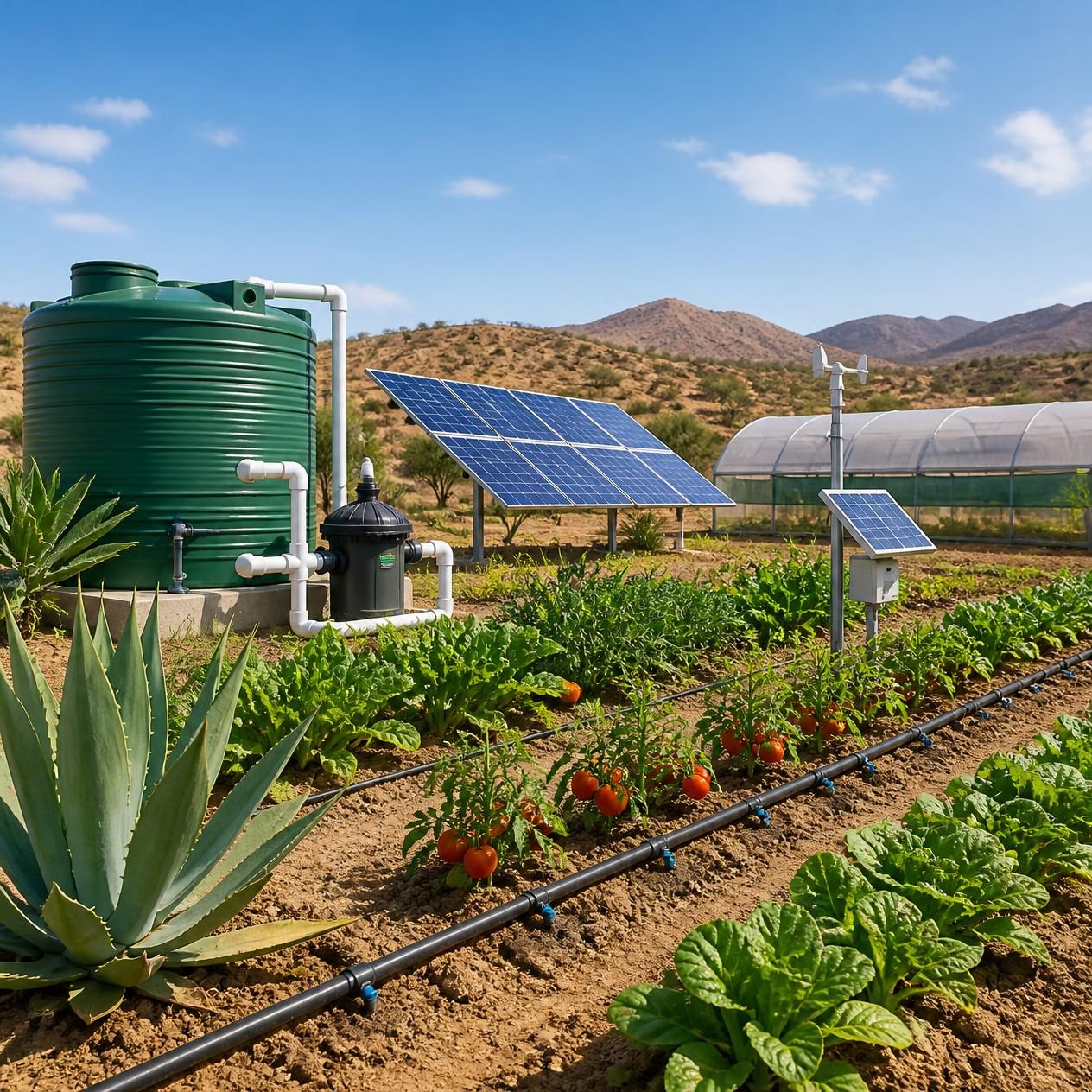
Climate-Smart Agriculture (CSA) Training Course
Learn to design, cost and monitor climate-smart agriculture interventions that hold up in real African farming systems, not just on paper.
5 Days
Duration
Certificate
Included
Instructor-Led
Delivery
Intermediate
Level
Climate-Smart Agriculture (CSA) Training Course
Starting From
$700
per participant
Flexible Delivery
In-Person, Live Online
Language
English
Dedicated Support
Pre & post training
Course Overview
This five-day course equips agriculture, rural development and food security professionals to design, deliver and evaluate climate-smart agriculture interventions. It covers assessing climate risk, selecting and costing appropriate practices, and monitoring resilience outcomes, grounded in the realities of smallholder and mixed farming systems across Africa.
Introduction
African agriculture is disproportionately exposed to climate variability. Erratic rainfall, longer dry spells and shifting growing seasons are already reducing yields and undermining food security across the continent, and many programmes and policies designed a decade ago no longer match the climate reality farmers are working in.
Climate-smart agriculture is not a single technique but a set of principles for balancing productivity, resilience and mitigation. This course teaches professionals to apply those principles practically, to plan and cost interventions, not just define them, so the resulting programmes actually change outcomes on the ground. The case studies and exercises are drawn from drought-prone drylands, smallholder mixed crop-livestock systems and donor-funded programming environments across Africa, so participants leave able to apply the frameworks directly to their own landscapes and portfolios.
Learning Objectives
By the end of this programme, participants will be able to:
- Explain the three pillars of climate-smart agriculture and how they interact in practice.
- Assess climate risk and vulnerability within a specific farming system or landscape.
- Select and prioritise CSA practices appropriate to local agro-ecological and market conditions.
- Design CSA interventions that balance productivity, resilience and mitigation objectives.
- Integrate climate information services into agricultural planning and advisory work.
- Apply water, soil and input management practices suited to climate-stressed systems.
- Appraise the cost-effectiveness and adoption barriers of CSA practices for smallholders.
- Monitor and evaluate the climate resilience outcomes of an agricultural programme.
Who Should Attend
This course is designed for:
- Agriculture and rural development programme staff
- M&E officers working on agriculture or food security programmes
- Agricultural extension officers and advisory service managers
- NGO and donor-funded project professionals in food security
- Climate change and environment professionals working on adaptation
- Public sector agriculture and agribusiness policy officers
- Cooperative and farmer organisation managers
Training Methodology
The course combines technical grounding with applied planning work, delivered through:
- Facilitator-led sessions on climate-smart agriculture principles and practice
- Case studies drawn from African drylands, mixed farming and pastoral systems
- Climate risk and vulnerability assessment exercises
- Group design of a CSA intervention for a real or simulated landscape
- Practical sessions on climate information and advisory tools
- A costed CSA action plan developed across the week
Organizational Impact
Organisations that invest in this training can expect:
- More climate-resilient agricultural programming and project design
- Stronger integration of climate risk into planning and budgeting
- Improved targeting of CSA investment to where it has the most effect
- Better use of climate information services in advisory and extension work
- Stronger positioning for climate finance and donor funding applications
- More credible reporting on climate resilience outcomes
Personal Impact
Participants who enrol in this training will benefit from:
- A practical framework for designing CSA interventions
- Confidence assessing climate risk and vulnerability in a farming system
- Stronger technical grounding for climate-related project design and proposals
- A ready-to-use CSA action plan
- A stronger professional profile in a growing area of donor and government investment
Course Outline
- What climate-smart agriculture is, and what it is not
- The three pillars: productivity, resilience and mitigation
- How climate change is already affecting African agriculture
- CSA within national and regional climate and agriculture policy
- Common misconceptions and implementation pitfalls
Practical session: Map the climate risks facing a real or simulated farming system.
- Climate risk and vulnerability assessment approaches
- Reading and using seasonal and climate forecast information
- Identifying climate-exposed points in a farming system
- Differentiating vulnerability across gender, wealth and landholding
- Using assessment findings to prioritise intervention
Practical session: Conduct a climate vulnerability assessment for a target landscape or community.
- Soil and water management practices for climate resilience
- Climate-resilient crop and livestock choices
- Agroforestry and landscape-level approaches
- Climate information services and early warning for farmers
- Matching practices to agro-ecological and market context
Practical session: Select and justify a package of CSA practices for a defined farming context.
- Balancing productivity, resilience and mitigation in intervention design
- Adoption barriers and how to design around them
- Costing and budgeting CSA interventions
- Positioning CSA investments for climate finance and donor funding
- Working with the private sector and value chains on CSA
Practical session: Design and cost a CSA intervention for a real or simulated programme.
- Indicators for productivity, resilience and mitigation outcomes
- Monitoring climate resilience over time
- Common evaluation challenges in CSA programming
- Scaling CSA practices beyond a pilot
- Presenting a CSA action plan to stakeholders
Practical session: Present a completed CSA action plan with a monitoring framework.
Certification
Certificate of Completion awarded on successful programme conclusion
At Strategic Revenue Africa, our certification goes beyond proof of attendance—it represents practical competence and measurable capability. Upon successful completion of our training programs, participants are awarded a Certificate of Completion from Strategic Revenue Africa, recognizing their ability to apply acquired knowledge in real-world settings. As an organization focused on architecting sustainable revenue and strengthening organizational performance, our certifications signal that participants are equipped with skills that drive results, not just theory.
Programme Inclusions
- Course materials & workbook
- Certificate of completion
- Post-training support (6 months)
Prerequisites
This is an intermediate course. Participants should have some background in agriculture, rural development, environment or related programme work, though no prior formal training in climate-smart agriculture is required. Participants are encouraged to bring details of a real farming system, landscape or programme to work with during the practical sessions.
Schedule & Investment
Upcoming Dates & Fees
LocationScheduleInvestmentLanguage


Accommodation & Transfer
Accommodation and airport transfer are arranged upon request. Contact the Training Officer to reserve.
Payment
Transfer payment to the Strategic Revenue Africa account before the course starts. Send proof of payment to:
training@strategicrevenueafrica.comCourse Fee Includes
- Course tuition & training materials
- Two break refreshments and lunch
- Certificate of completion
- Post-training support (6 months)
Travel, visa, insurance and personal expenses are the participant's responsibility.
Frequently Asked Questions
About Climate-Smart Agriculture (CSA) Training Course
Both, but more programme design than agronomy. It gives enough technical grounding to make sound decisions, then focuses on how to design, cost and monitor a CSA intervention.
No. The course explains the climate concepts you need in practical terms, aimed at agriculture and development professionals, not climate scientists.
Yes. Climate-resilient livestock management and mixed crop-livestock systems are covered alongside crop-based practices.
Both. The course covers CSA within national policy and climate finance context, as well as practical intervention design.
Yes, and we encourage it. Several exercises are built to apply directly to a real farming system, landscape or programme.
Yes, particularly. The course pays close attention to costing, adoption barriers and positioning for climate finance, which matters directly for donor-funded work.
Related Programmes
More in Sector-Specific Courses
Sector-Specific Courses
Organisational Sustainability and Resource Mobilisation Strategy Training Course
Build organisational sustainability strategy that reduces dependence on any single donor relationship.
5 Days
Sector-Specific CoursesNGO Digital Transformation and Data Protection Training Course
Adopt digital systems and protect beneficiary data with the discipline that vulnerable populations depend on.
5 Days
Sector-Specific CoursesAdvanced Banking & Risk Systems Training Course
Design resilient banking systems, advanced risk architectures, and governance models for stable, high-performing financial institutions.
5 Days
Related Categories
From
$700